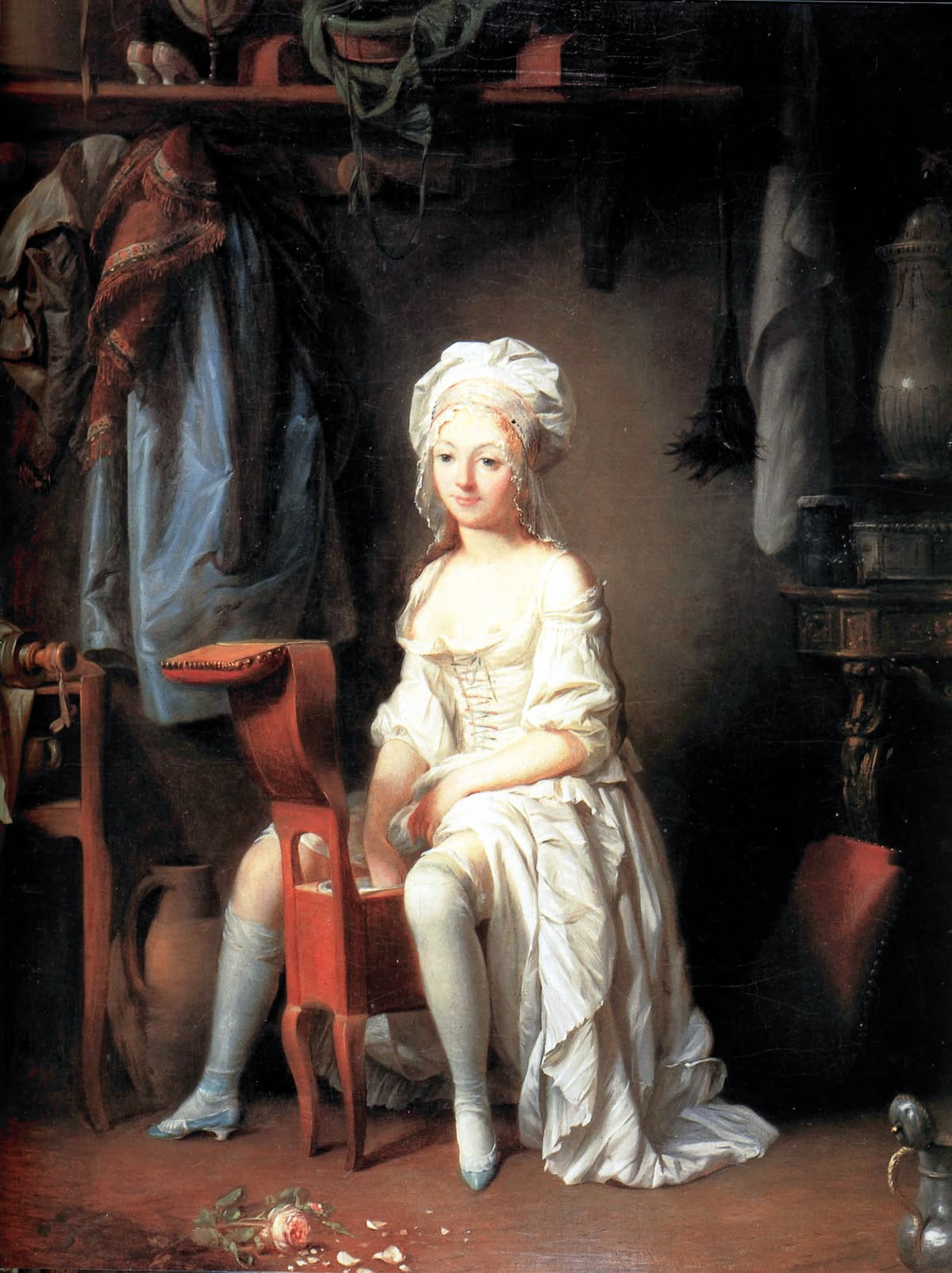
En 1710, un ebanista francés inventó un mueble de dormitorio para mujeres aristócratas. Lo talló en madera y lo remató con una palangana de porcelana esmaltada. Lo llamó bidé —«caballito» en francés— porque, para usarlo, había que montarlo a horcajadas. Fue una revolución silenciosa: una herramienta para que las mujeres cuidaran su propio cuerpo, a diario, sin la ayuda de un sirviente ni el carbón para un baño.
Un origen en el cuidado
El bidé más antiguo se fabricó hacia 1710 por Christophe Desormeaux —no un fontanero, sino un ebanista. Lo diseñó a petición de clientes de clase alta que querían una forma íntima de asearse entre baño y baño completo. En el mundo anterior a la fontanería interior, esto no era poca cosa: bañarse exigía sirvientes, combustible y un tiempo del que la mayoría de las mujeres no disponían.
Hacia 1751, Madame de Pompadour —amante del rey Luis XV— tenía un bidé tallado en palo de rosa, decorado con apliques de bronce dorado y relieves florales. Napoleón, décadas más tarde, dejaría un bidé de plata en su testamento. No eran objetos utilitarios. Eran reliquias, símbolos de estatus y herramientas de soberanía personal.
Un manual francés de higiene femenina de 1772 lo decía sin rodeos: «Atender a la limpieza de las partes delicadas del cuerpo es una necesidad ineludible. Estas partes deben lavarse cada día, añadiendo al agua toda clase de hierbas aromáticas o líquidos alcohólicos.»
Las partes delicadas. Cuidadas, íntimas, diarias.
«El bidé fue, desde el principio, una herramienta de autonomía femenina disfrazada de artículo de lujo.»
Una historia española
Para el siglo XIX, el bidé había migrado de los dormitorios franceses a los baños de la Europa católica. Viajó al sur, a España, Italia y Portugal —países donde la higiene íntima ya formaba parte de la cultura diaria, donde lavarse el cuerpo no era algo que se dijera en voz baja.
En España, el bidé se volvió sagrado en el baño moderno. A lo largo del siglo XX, ningún hogar de clase media estaba completo sin uno. Era sólido, discreto, y tenía un propósito tan claro como callado. Era, en palabras de un escritor español, «un símbolo doméstico de estatus: una señal del hogar moderno e higiénico.»
Los españoles de cincuenta y sesenta años crecieron con bidés en los baños de su infancia. Sus abuelas los usaban. Sus madres los usaban. El chorro horizontal, la pequeña taza de cerámica, el rincón del baño donde se encontraba —eran tan parte de la vida doméstica española como el arroz en la paella.
Lo que perdimos
Y luego, en algún momento, lo olvidamos.
No fue una decisión. No hubo un momento exacto. A lo largo de las décadas, el bidé fue desapareciendo en silencio de la vida cotidiana. Una generación dejó de transmitírselo a la siguiente, y el gesto que durante doscientos años había sido evidente empezó a sentirse como cosa de otro tiempo.
En 2026, el noventa por ciento de las viviendas de nueva construcción en España se levantan sin bidé. Los expertos predicen que el bidé español tradicional desaparecerá por completo de la vivienda nueva en una década.
Lo llamativo es que los españoles no dejaron de querer la higiene del bidé. La cultura permaneció. Los cuerpos permanecieron. El deseo de lavarse con agua permaneció. Lo único que se perdió fue la costumbre —y con ella, el ritual diario que doscientos años habían tardado en construir.
«Los españoles no perdieron el bidé porque dejaran de quererlo.
Lo perdieron porque, en algún momento, simplemente lo olvidaron.»
Olava
Olava empezó con una pregunta sencilla: ¿y si el ritual diario pudiera caber?
El accesorio de bidé bajo la tapa no es nuevo. Existe, en varias formas, en baños de Asia y Estados Unidos. Lo nuevo es tratarlo como algo más que una utilidad —diseñar para el cuerpo, para el baño, para el ritual.
Nuestro nombre nace de dos palabras españolas entrelazadas. Ola, la del mar. Lava, ella lava. Olava es la ola que lava —un nombre nacido del agua, para un producto que devuelve el agua al minuto más cuidado del día.
Diseñado en Barcelona para el baño europeo. Lo bastante esbelto para caber en cualquier piso. Lo bastante cuidado para sentirse como un regreso, no como una renuncia.
Soy Sophie. Crecí en Singapur, en una casa donde el bidé y la higiene con agua eran lo normal. Cuando me mudé a España, descubrí que los españoles tenían la misma cultura —durante siglos. Pero en algún punto entre el siglo XX y ahora, el ritual desapareció en silencio.
Olava es mi regreso a ese ritual. Espero que se convierta en el tuyo.
— Sophie, fundadora